English translations prepared with AI. Author-supplied English texts retain their original wording. Documents, recordings and text in images retain their original language.

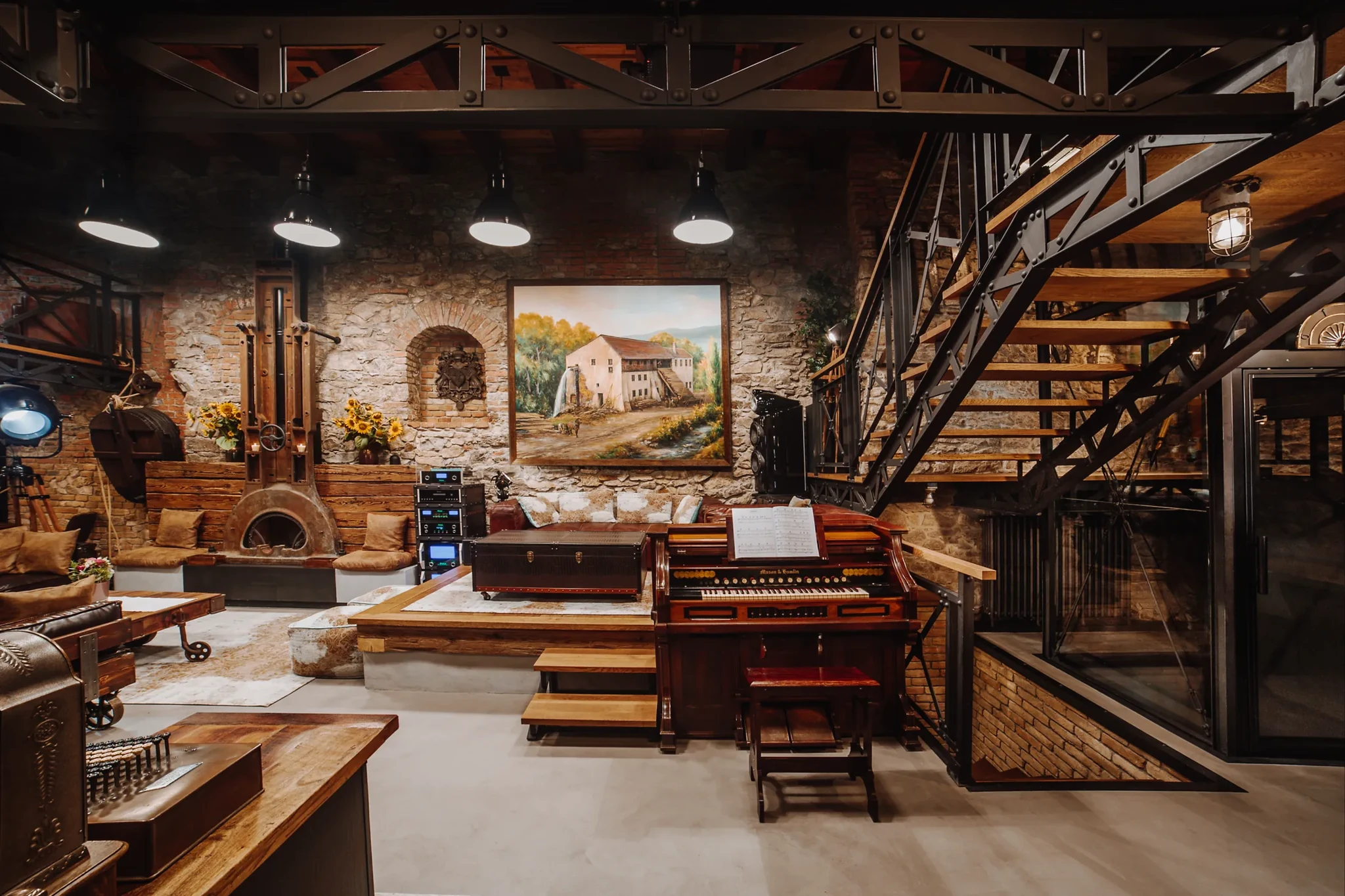
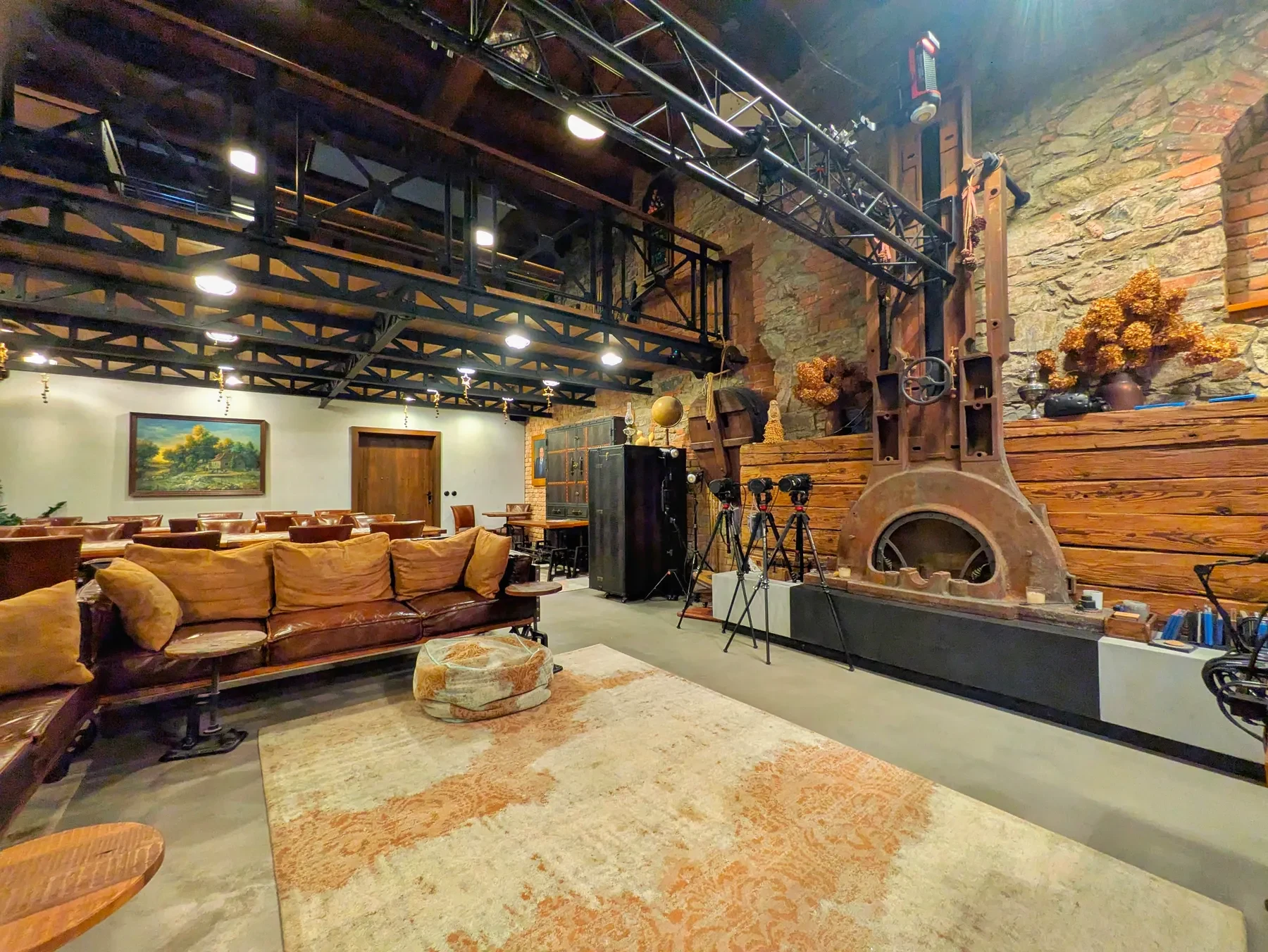
Overall view of the lecture hall and gallery in the restored water-powered sawmill and mill

Harmonické vzťahy OZ · Modra-Harmónia

Harmonické vzťahyAt the School of Good RelationshipsAt the HARMÓNIUM centre

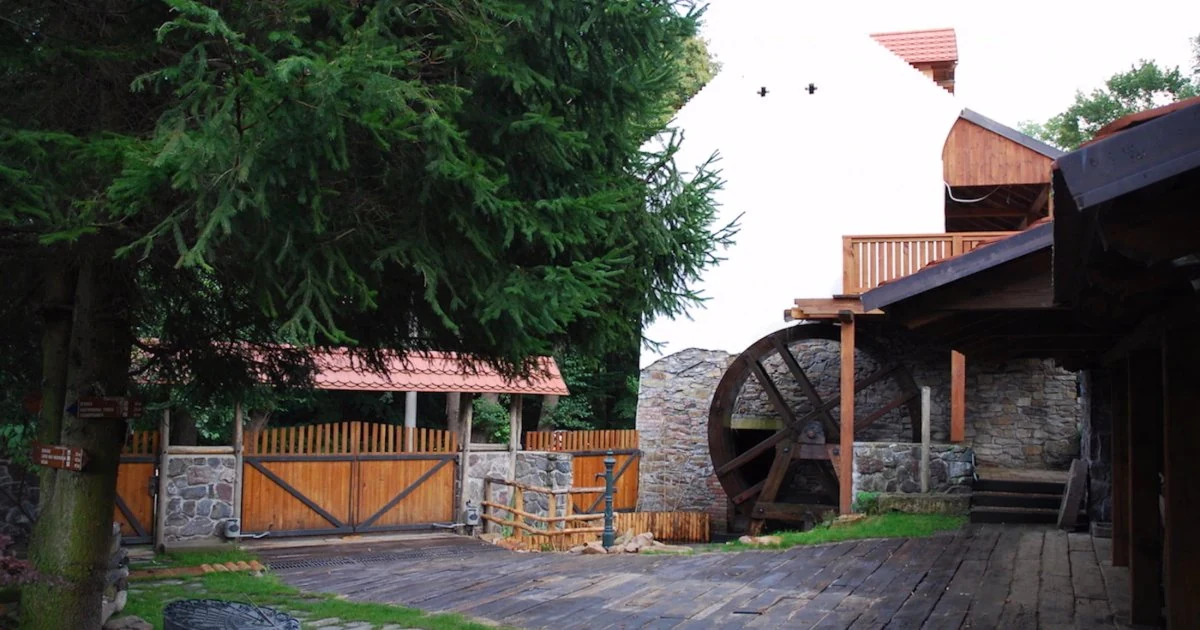
In the premises of a restored water-powered sawmill and mill.

For those who want to help others as well as themselves.

We have the four skills for good relationships from birth. Through unsuccessful socialisation in the family, social facilities, school and work, we stop using them.

You will restore and practise them in a small group with us.

It is a workshop, not a lecture.

23 yearsteaching good workplace and personal relationships
4 programmesfor social care, families, public administration and young people
Since 2001a civic association supporting communication

Why it matters

Why don’t we have
good relationships?

We already have the skills for good relationships. Yet we often do not recognise them, and through socialisation in the family, on the street, at school or at work we gradually stop using them.

In our workshops, we restore and practise these skills. We draw on the Person Centered Approach and Preventive Practical Psychology. Explanations are simple and accessible without specialist training.

Theoretical foundations and history

The foundation of every programme

Four skills
for good relationships

You practise them in conversations and simulated situations during the workshop.

Sincerity(Congruence)

Openness, authenticity and congruence. Saying what we really think while respecting the other person.

Listening(Empathic listening)

Do more than hear what someone says: check that you understand them correctly.

Acceptance(Unconditional positive regard)

Consider a different opinion while maintaining your own values and integrity.

Empathy(Empathy)

Help others grow personally and find their own possibilities and decisions.

Educational programmes

Four programmes.
One human foundation.

The same four skills, different groups and situations.

PCA · Person Centered Approach

For social care facilities serving young people and older adults.

Good relationships in social care

How to help restore and build relationship skills and personal well-being through a personal approach and empathy.

  • Empathy and acceptance
  • Mutual communication
  • Accepting other views
I’m interested in this programme

PCA · Person Centered Approach

For individuals, couples and parents

Good family and personal relationships

How to speak openly, listen with understanding and remain true to yourself even in a difficult conversation.

  • Honest communication
  • Empathy and acceptance
  • Emotions and conflict
Programme details

PCM · social care facilities and public administration

For social care facilities (DSS, CDR, etc.), state and public administration.

Managing work in social care facilities and public administration

Dialogue focused on the issues with colleagues, opponents and clients, maintaining your own values and respect for others.

  • Empathic dialogue
  • Leading a conversation
  • Delegation
I’m interested in this programme

PCA · young people

For young people aged 15 to 24

Family and personal relationships for adolescents

Understand yourself, speak openly to your parents and friends, and take responsibility for your own decisions.

  • Family and friends
  • Empathic listening
  • Independence
Programme details
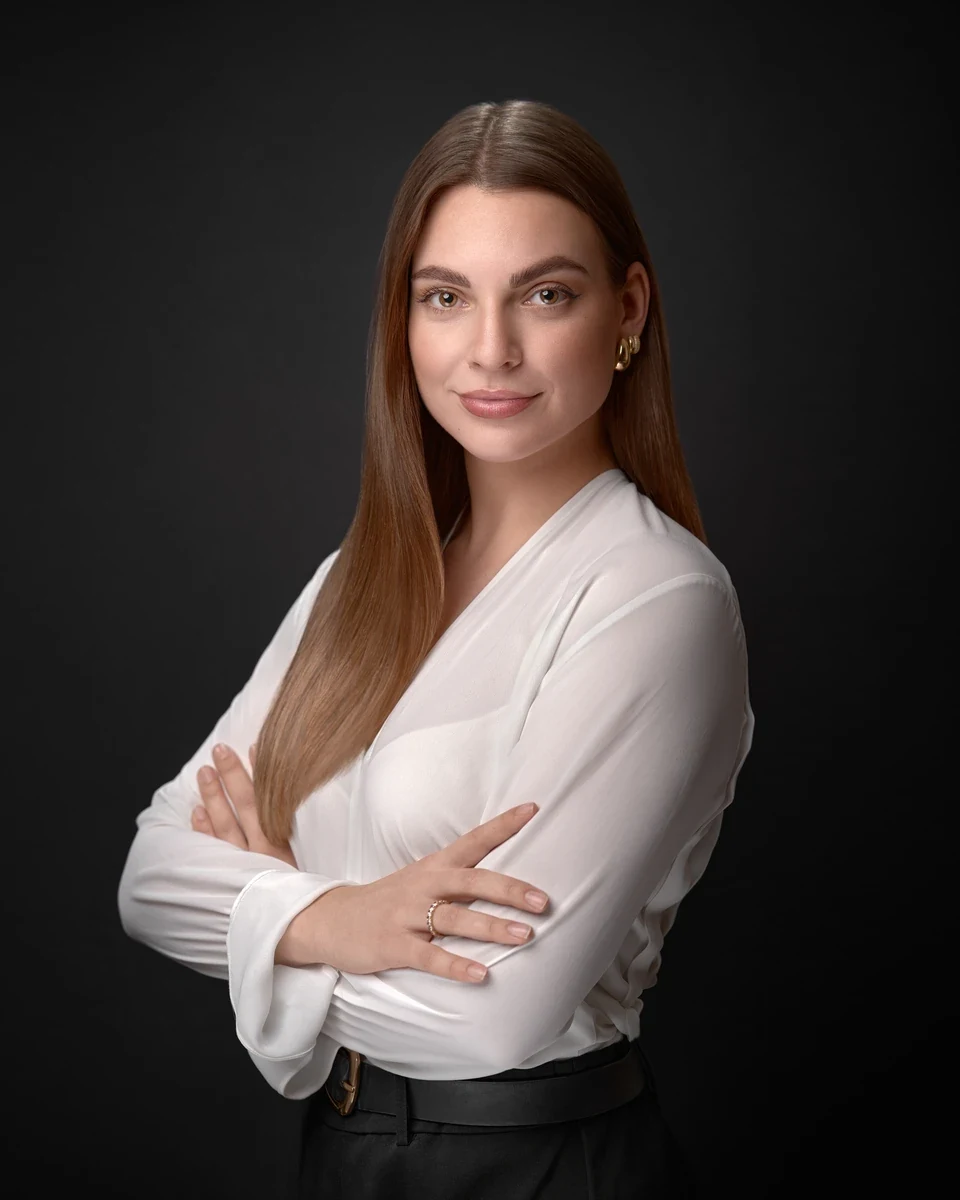
Dr. Peter Švec, PhD. – Chair of the HARMONICKÉ VZŤAHY civic association
Dr. Peter Švec, PhD.
Chair of the HARMONICKÉ VZŤAHY civic association
Programme creator and trainer
Trainers

Since 2003

For twenty-three years
we have been teaching good relationships

Our education draws on PCA and practical experience in leading workshops. We began at Smolenice Castle and clients’ venues. Today we have our own spaces in Modra-Harmónia.

We wanted our own spaces for learning. We spent ten years restoring the water-powered sawmill and mill, stone by stone, including the water wheel that is turning again today.

From grain and timber to conversations

From experience to change

How a workshop
works

We use explanations, simulated situations, practice and feedback. You do not have to share intimate experiences or personal traumas. You can choose an equivalent simulated task.

How we address one another
The opportunity to express your opinion
A commitment to confidentiality
Managing heightened tension
Keeping track of time
Attending to needs and the setting

The people who lead our workshops

Four lecturers.
A shared approach.

We work together and complement one another. We select the lecturer according to the topic and the group’s composition.

Dr. Peter Švec, PhD. – Chair of the HARMONICKÉ VZŤAHY civic association

Dr. Peter Švec, PhD.

Chair of the HARMONICKÉ VZŤAHY civic association

Programme creator and trainer

In 2002 and 2003, he was trained by Ernest Meadows, a colleague of Carl Rogers. This was followed by four years of training in PCA applications at CAMELOT and CSP.

He has led his own workshops since 2003. He began at Smolenice Castle and now works in a restored water-powered sawmill and mill. He combines theoretical foundations with practical exercises.

Holds a CAMELOT certificate from La Jolla, California, for teaching PCA applications. Teaches workplace and personal relationships.

PhDr. Lenka Švecová – Deputy chair of the HARMONICKÉ VZŤAHY civic association

PhDr. Lenka Švecová

Deputy chair of the HARMONICKÉ VZŤAHY civic association

Clinical psychologist, lecturer and educational programme lead

She graduated in psychology from Constantine the Philosopher University in Nitra. Her work draws on Virginia Satir’s Growth Model and creates space for self-discovery and personal growth.

She applies PCA primarily to the attachment between mother and child and to family relationships. She has led workshops for mothers and adolescent girls and trained other lecturers.

Her expertise in social work is also reflected in the focus and content of her advanced degree thesis, Educating Mothers in the Context of PCA Philosophy.

Holds PCA and PCM certificates for projects of the HARMONICKÉ VZŤAHY civic association. Teaches personal relationships and young people.

Mgr. Karolína Jamečná – Committee member of the HARMONICKÉ VZŤAHY civic association

Mgr. Karolína Jamečná

Committee member of the HARMONICKÉ VZŤAHY civic association

Child psychologist, therapist and trainer

She studied psychology at Pan-European University. She focuses on attachment, personal and workplace relationships, parenting and upbringing.

She works with children, adults and whole families. As a lecturer in therapeutic parenting, she helps parents understand their children’s needs and build secure family relationships.

Holds a PCA certificate for good family and personal relationships in projects of the HARMONICKÉ VZŤAHY civic association. Teaches personal relationships and young people.
Mgr. Henrieta Bobuľová – Member of the HARMONICKÉ VZŤAHY civic association

Mgr. Henrieta Bobuľová

Member of the HARMONICKÉ VZŤAHY civic association

Psychologist, trainer and methodology specialist

A psychologist with experience in leading developmental workshops, group facilitation and psychological and emotional support for young people.

She works on educational projects and methods, mental health topics and psychological first aid. She emphasises active listening, trust and a safe environment.

Holds a PCA certificate for good family and personal relationships in projects of the HARMONICKÉ VZŤAHY civic association. Teaches personal relationships and young people.
Lecture hall in the restored water-powered sawmill and mill

Space to focus

A place that
changes the pace

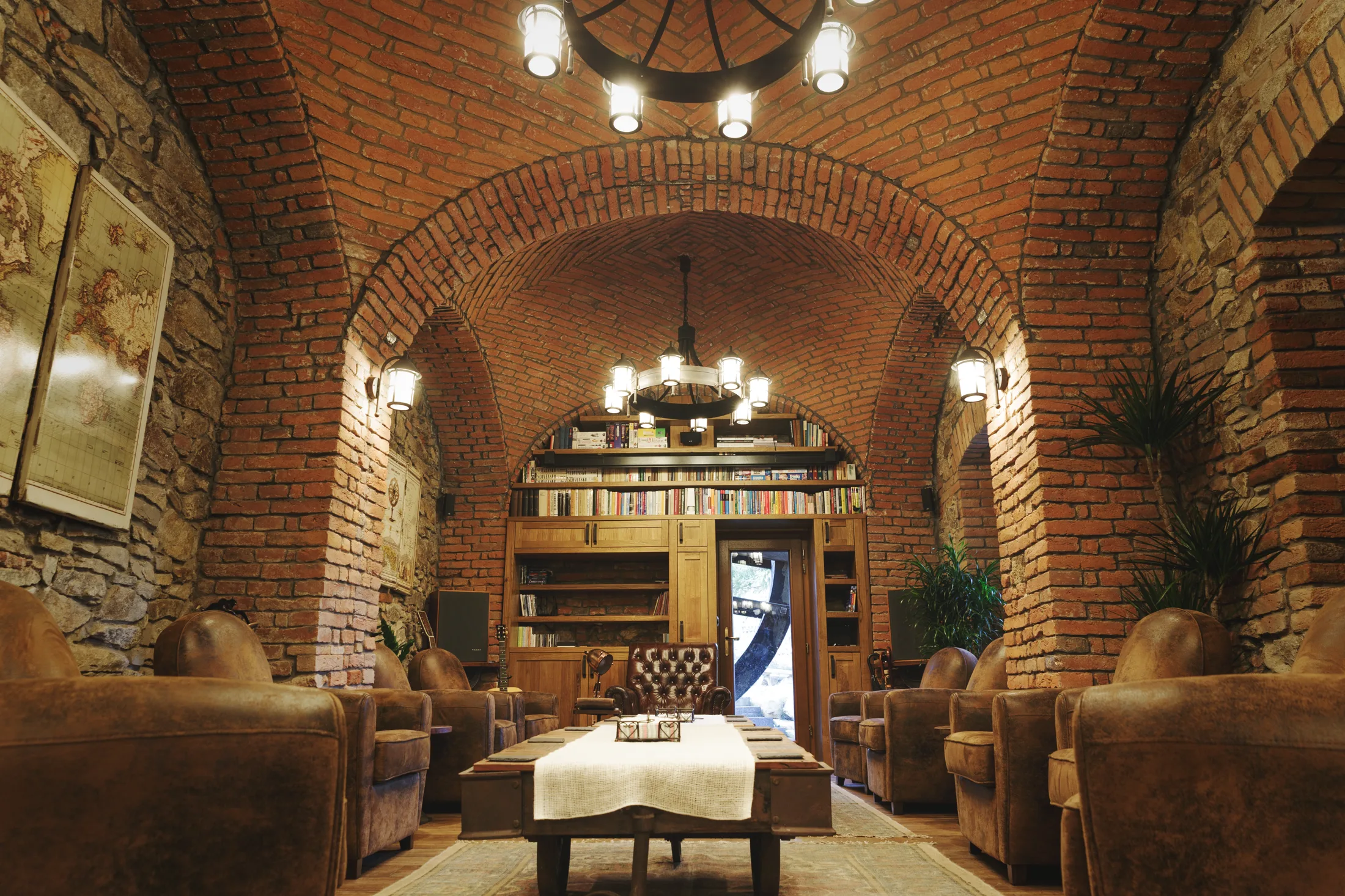
The water-powered sawmill and mill in Modra-Harmónia have a new life as a place for learning, creativity and meetings. From seating in a circle in the vaulted classroom to the lecture hall and conversations by the fireplace.

Explore the spaces
Vaulted classroom, seating in a circle
Seating by the fireplace
Courtyard with the restored water wheel

From the history of our educational work

We work together
with people and organisations

2008

Úsmev ako dar – adolescents

Preparing adolescents from children’s homes.

2025

Office of the Commissioner for Children

Introductory workshop for the office’s management.

2024–2026

Centres for children and families

Three groups of adolescents, each with 12 participants. Professional training for two psychologists working in centres for children and families.

Let’s find a programme
for your group

Tell us what you need, for how many people and which dates would suit you.