
PCA · young people · For young people aged 15 to 24
Family and personal
relationships for adolescents
Understand yourself, speak openly to your parents and friends, and take responsibility for your own decisions.
I’m interested in this programmeFamily, friends
and your own decisions
The programme draws on situations familiar to young people and their family and personal relationships. We practise the four PCA skills through conversations and simulated tasks.
Separate programmes for ages 16–17 have their own organisational and safeguarding arrangements. We agree on the specific form of the training and participation requirements with the group organiser.
Arrange a programme for young peopleProgramme content
What we will
practise
Family and friends
How to talk to parents and friends with understanding.
Empathic listening
Check that we have really understood the other person.
Independence
Take responsibility for your own decisions.
Self-discovery
Name what we are experiencing and learn to express it.
How the training works
Explanation.
Practice.
Feedback.
We use explanations, simulated situations, practice and feedback. Participants do not have to share intimate experiences or personal traumas and may choose an equivalent simulated task. The specific offer always states the lecturer, scope, price, format and completion requirements.
Participation in recording and working with personal situations is agreed in advance. An equivalent simulated task is also available.
The people who will guide youProgramme details
Content and methods
Read the full programme description
Family and personal relationships
adolescents
New approaches to education in the area of family and personal relationships of adolescents
based on PCA, and their benefits
(Person Centered Approach)
(Person-centred approach)
Description and content
PCA workshops
for family and personal relationships of adolescents.
(for young people aged 15–24)
PCA skills
(Person Centered Approach)
PCA describes four relationship skills that can be developed in both family and personal relationships.
Why take this training?
Because the basis of our lives is human relations and mutual understanding in families
because the quality of relationships affects the social and family interactions of each individual
because good relationships with those closest to us, especially family and friends, are the foundation of personal satisfaction and achieving life goals and values for all of us
During the training, you will learn about communication and relationship skills, develop them and practise them in practical situations.
“Respect one another and live together despite our differences.” (Guy Laliberté)
What will PCA training offer you?
KNOWLEDGE of the four relationship skills of PCA and their application in family and personal situations.
UNDERSTANDING in your relationships with those closest to you, your family and friends. You do not need to change them to understand them better. Your open approach will help them understand you better too. You will be more open and sincere towards them, and they will certainly notice the change for the better.
DELEGATION and the sharing of family responsibilities and tasks emerge through using the acquired PCA skills in everyday activities: understanding one another’s requirements, assessing tasks and results objectively, increasing personal responsibility and so on.
You will learn the four PCA skills
and practise applying them in simulated conversations.
You can practise the acquired skills in family, parenting and friendly conversations.
PCA training is also suitable if you want to develop your communication and try relationship skills in everyday situations.
Practical training is based on topics close to young people and their family relationship.
Explanations and practical training give you space to try the acquired skills in everyday situations.
Each decision will be your own. Accepting a different or contradictory view while maintaining your own integrity and opinions will become a natural part of normal communication for you.
You will learn that you can do more than direct others through orders: you can also help them find sound decisions that they make themselves and gladly carry out. You will also discover ways to motivate them positively towards better performance.
What do you need to be aware of in relationships?
Our family lives unfold through relationships with those closest to us.
Relationships arise between unique beings.
Everyone needs to have good relationships.
Why do relationship problems arise?
Every person is a unique, autonomous being
…whom we cannot change unless they themselves
are not the answer.
…who wants the best above all for themselves, their
values and objectives.
…who can evade responsibility if we
allow them to.
What's a relationship?
It's a person's decision to have a relationship with another person.
It is the responsibility of the person who made that decision for each of their relationships.
It is a two-person agreement on the rules of the relationship agreed and respected by both parties.
Communication skills also play a role in creating and maintaining good relations.
However, under the influence of culture and our social environment, we gradually lose these abilities.
Naming the skills helps us understand their role in communication and how to develop them.
PCA describes four skills applied also in the area of family and personal relationships:
Sincerity – openness, authenticity, congruence
Listening – empathetic, active, with understanding
Acceptance – unconditional positive regard
Empathy – supporting personal growth
The aim of the training is to gain practical knowledge of using the skills, particularly to build effective family and personal relationships, because our lives unfold through relationships.
Training participants will acquire skills in the following basic relationship activities and processes:
How to communicate painlessly with others regardless of their level of skills
How to manage interactions successfully and satisfactorily for all involved
How to identify behaviour that is inefficient and replace it with behaviour that is effective
How to replace blame with responsibility
How to interpret non-verbal communication correctly
How to delegate tasks and requests effectively (appropriate content, checking and understanding)
How to motivate family members and friends to achieve common goals and values
How to meet other people’s requirements and align them with your own values and goals.
How to assess your family members’ results correctly and objectively.
How to conduct a personal evaluation interview with family members and educators.
Good personal relationships are a prerequisite for achieving the desired values and goals, thus making a significant contribution to personal satisfaction.
Methodology for acquiring PCA skills
Training in real family and personal situations provides an opportunity to learn skills and to test them in daily communication.
Acquiring conscious incompetence
becoming familiar with PCA skills, describing them, and observing and recognising family members’ skills in conversations with one another
Acquiring Conscious Competence
consciously trying the skills in simulated conversations, recording them and reviewing them afterwards
Acquiring unconscious competence
frequent conscious use of skills leads to their natural adoption in relationships
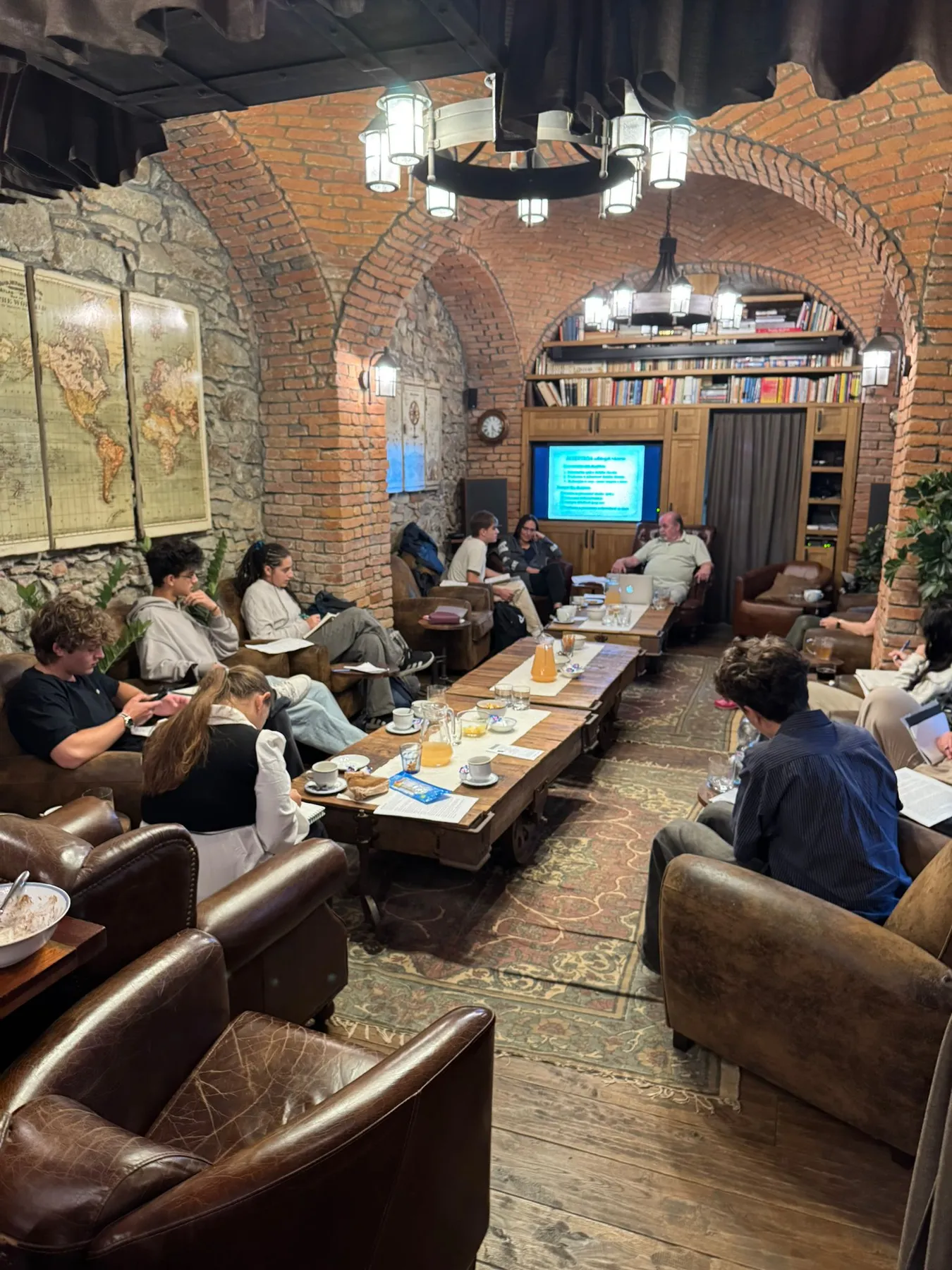
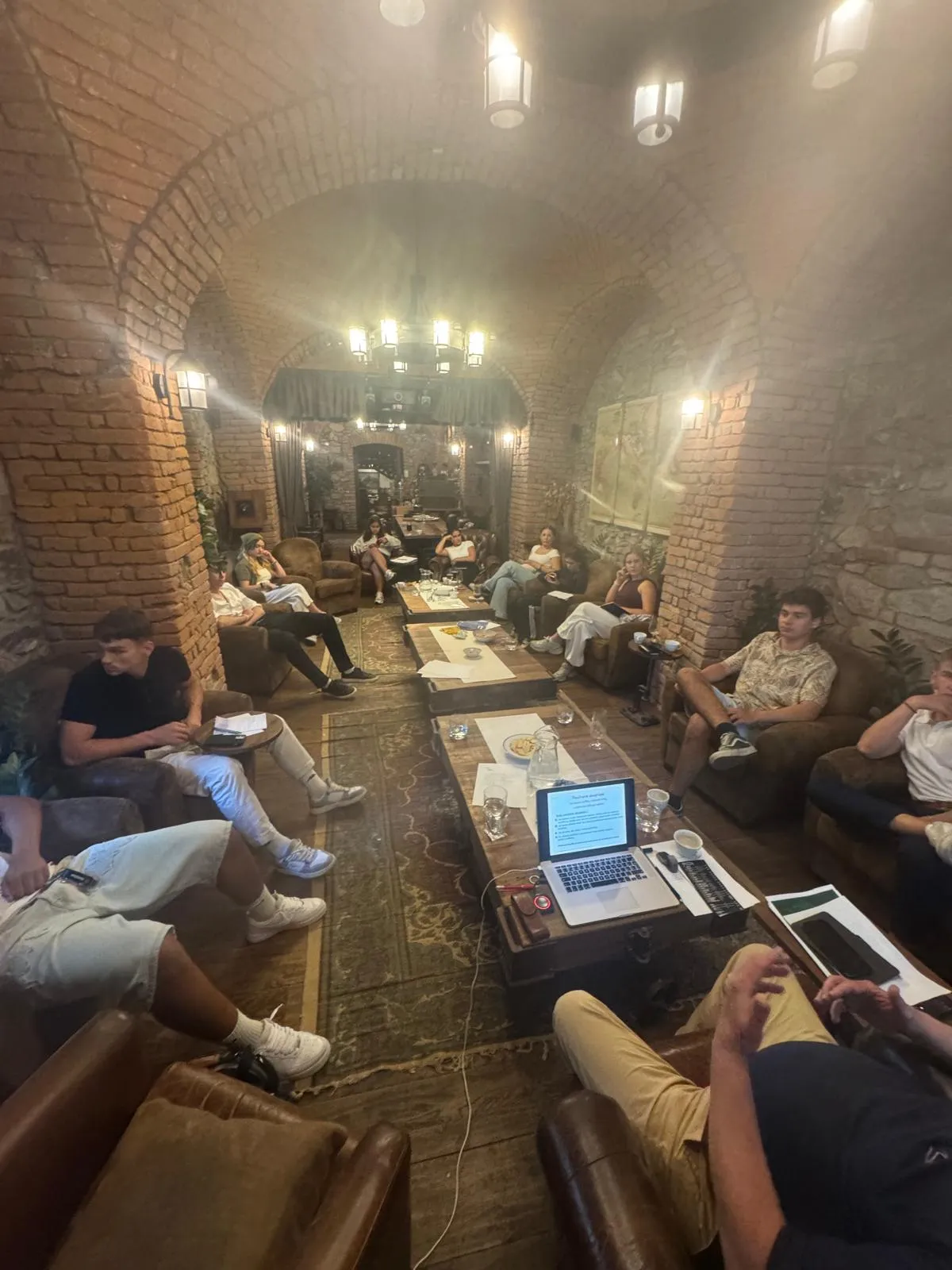
Training takes the form of workshops. Participants consciously use the skills to work through specific family and personal relationship situations.
The training is delivered by the Slovak trainer
Dr. Peter Švec, PhD., chair of the HARMONICKÉ VZŤAHY civic association, who was trained by Ernest Meadows (CAMELOT, La Jolla, California)
More detailed information about the training content and trainer:
You can watch Manažovanie vzťahov v práci (Managing Relationships at Work) in the Media section.
Ernest Meadows was a colleague and follower of Carl Rogers, who described the individual PCA skills
and laid the foundations of humanistic psychology.
Meadows discovered that PCA releases energy and adapted it for family relationships.
The skills he teaches are successfully used in the countries of North America and Europe.
Slovak lecturer Dr. Peter Švec, PhD., chair of the HARMONICKÉ VZŤAHY civic association, adapted this training to the European cultural context. His significant contribution is a clear explanation of concepts and teaching their application in real family and personal relationships.
The PCA workshop introduces PCA skills and focuses on developing and practising them. It takes place in small groups (8–12 people) over two days.
Education in practice
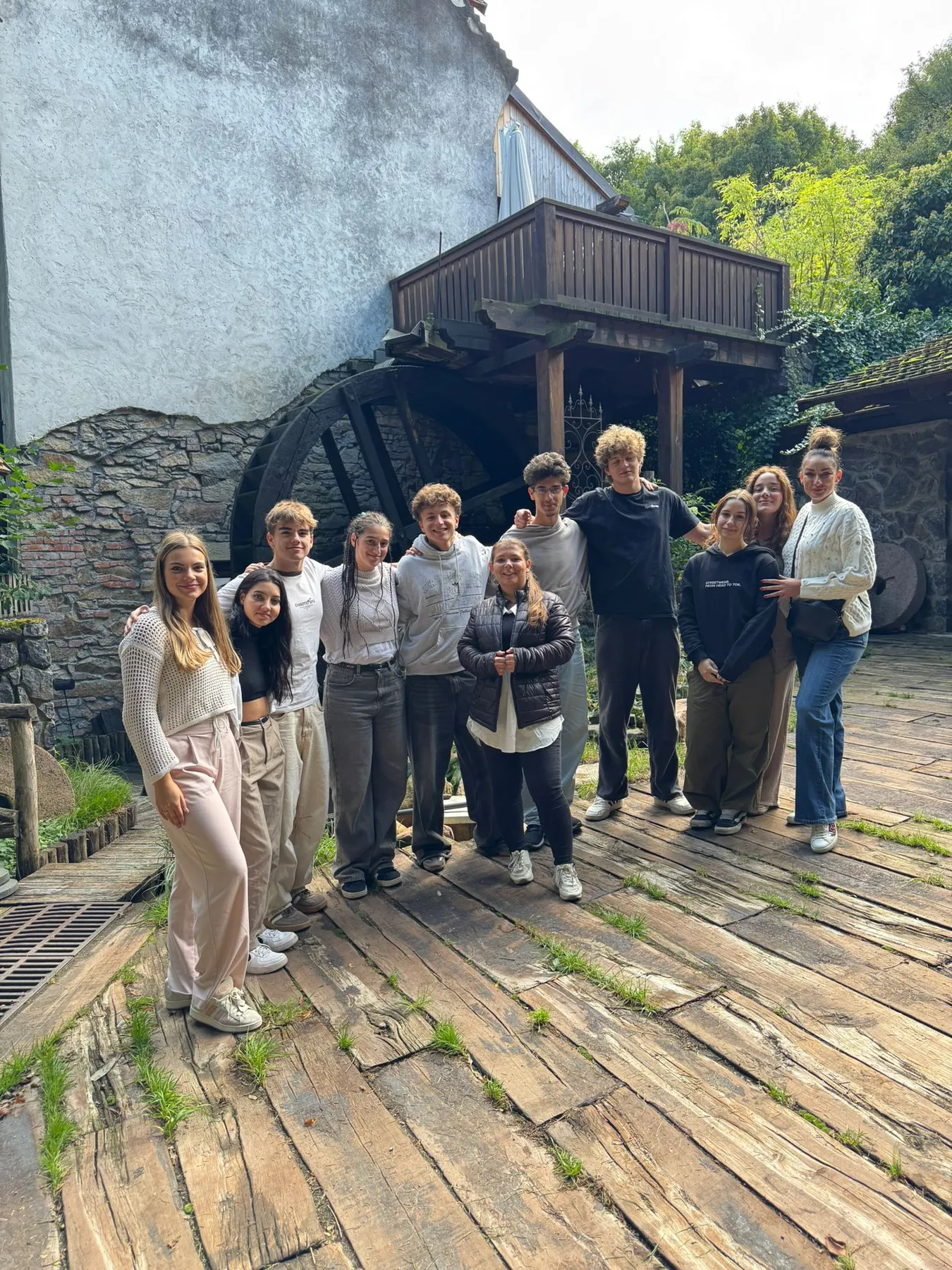
Young people from centres
for children and families
Let’s find a programme
for your group
Tell us what you need, for how many people and which dates would suit you.